1. Inaccurate Court Dimensions
One of the most significant errors in drawing a basketball court is failing to adhere to its precise dimensions.

A standard basketball court measures 94 feet long by 50 feet wide. However, the three-point line and other markings must be placed within these dimensions. Artists should consult official court diagrams or measurements to ensure their drawings meet the required specifications.
2. Misplaced or Incorrect Scoring System
The scoring system consists of the hoop, net, backboard, and basket. While these elements might seem simple, their placement and proportions can be easily botched.
The hoop's diameter should be 18 inches, and the net's length should be 16 or 17 feet. Artists should pay close attention to the backboard's size and the basket's positioning relative to the net.
3. Incorrect Key and Center Court Placement
A basketball court typically features a key, also known as the free throw lane, which is 16 feet wide and extends 15 feet from the basket. However, its placement is often misjudged by beginners.
The center circle should be 12 feet in diameter, and the free throw line should be 15 feet from the basket. A precise understanding of these markings' placement is essential for drawing a realistic basketball court.
4. Missing or Misaligned Sidelines and Free Throw Lines
Additional markings like the three-point line, free throw line, and sideline can add depth and authenticity to a basketball court drawing. However, neglecting these details or incorrectly aligning them can detract from the overall design.
A 3-point line is typically 22 feet, 1.75 inches from the basket. Artists must ensure the sidelines and free throw lines are parallel to each other and perpendicular to the court's long axis.
5. Ignoring the Perimeter Fencing
Perimeter fencing, often overlooked in beginner drawings, completes the basketball court's design. It not only adds context but also serves as a visual reference point.
The perimeter fence's height usually ranges between 3 to 9 feet. Artists should include this detail to add a touch of realism to their basketball court drawings.
By understanding and correcting these common mistakes, artists can create authentic and engaging basketball court drawings that capture the essence of the sport.Travelwant 2Pcs/Set Women's Basic Short Sleeve Crop Top Cotton Crop Tee
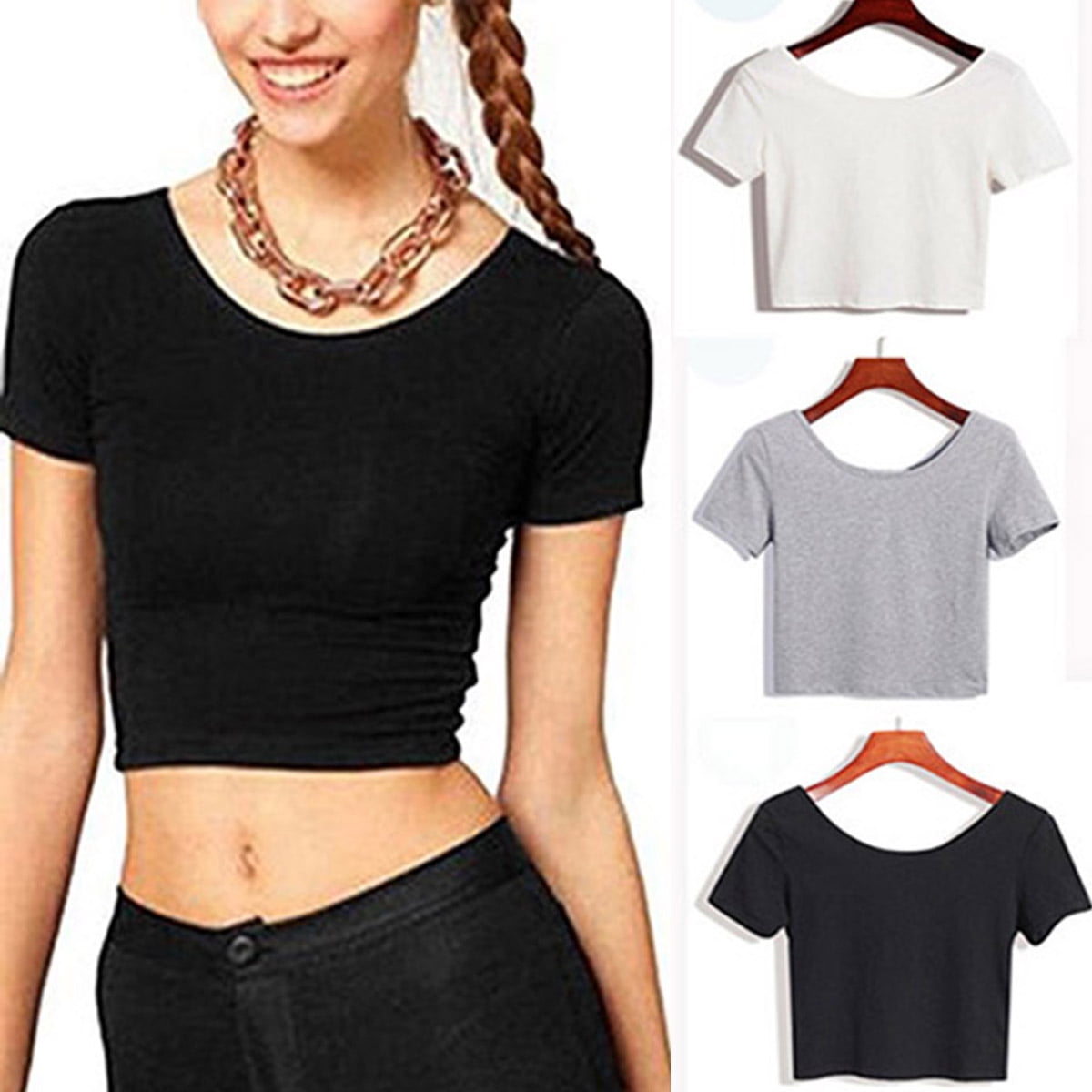
Travelwant 2Pcs/Set Women's Basic Short Sleeve Crop Top Cotton Crop Tee ...
SweatyRocks Women's Basic Short Sleeve Scoop Neck Crop Top Black X
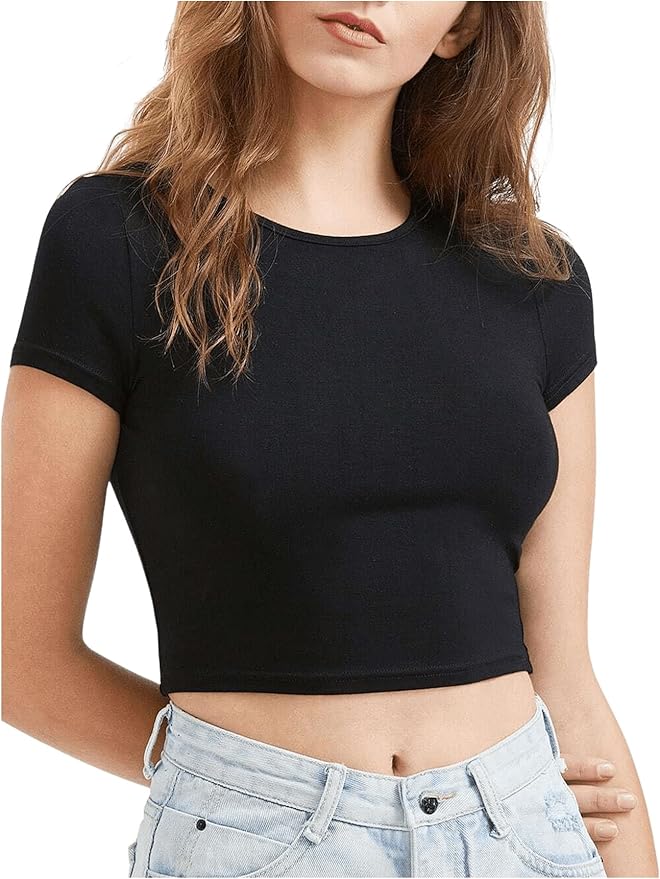
SweatyRocks Women's Basic Short Sleeve Scoop Neck Crop Top Black X ...
Women's Long Sleeve Tops & Crop Tops | Cotton On UK
Women's Long Sleeve Tops & Crop Tops | Cotton On UK
Halter Crossover Cut Out Crop Top | Crop Tops, Top Outfits, Cropped

Halter Crossover Cut Out Crop Top | Crop tops, Top outfits, Cropped