When navigating the complexities of romantic relationships, it's common to encounter hurt feelings. Interestingly, many individuals tend to blame themselves for these hurt feelings, rather than acknowledging the shared responsibility inherent in any partnership. This self-blame phenomenon can stem from various factors, including low self-esteem, fear of abandonment, or a deep-seated need for control. By examining the underlying causes of this behavior, we can gain a deeper understanding of why we often blame ourselves for hurt feelings in romantic partnerships and develop strategies to foster healthier, more balanced relationships.
Understanding the Root Causes
The tendency to blame oneself for hurt feelings in romantic partnerships can be attributed to a combination of psychological, emotional, and social factors. For instance, individuals with low self-esteem may be more prone to self-blame, as they often struggle with feelings of inadequacy and unworthiness. Additionally, the fear of abandonment can lead people to take on excessive responsibility for their partner's emotions, perpetuating a cycle of self-blame and guilt. 
Recognizing the Consequences
The consequences of self-blame in romantic partnerships can be far-reaching, affecting not only the individual but also the relationship as a whole. Some of the potential consequences include:
- Suppressed emotions: Self-blame can lead to the suppression of emotions, causing individuals to avoid expressing their true feelings and needs.
- Resentment: Unaddressed hurt feelings and self-blame can give rise to resentment, creating a toxic dynamic in the relationship.
- Loss of identity: Excessive self-blame can cause individuals to lose sight of their own needs, desires, and sense of self, leading to an unhealthy enmeshment in the relationship.
Cultivating a Healthier Perspective
To break free from the cycle of self-blame, it's crucial to cultivate a healthier perspective on relationships and emotions. This can involve:
Practicing self-compassion, acknowledging that hurt feelings are a natural part of any relationship, and recognizing that both partners share responsibility for the emotional well-being of the relationship. By adopting this mindset, individuals can begin to shift the focus away from self-blame and toward a more balanced, empathetic understanding of their partner's feelings and needs. 
Moving Forward
In conclusion, the tendency to blame ourselves for hurt feelings in romantic partnerships is a complex issue, driven by a range of psychological, emotional, and social factors. By acknowledging the root causes of self-blame, recognizing its consequences, and cultivating a healthier perspective, individuals can work toward creating more balanced, empathetic relationships. Through self-awareness, open communication, and a willingness to grow and learn, we can break free from the cycle of self-blame and foster deeper, more meaningful connections with our partners.
Why You Should Start With Why

Why you should start with why
5 Why Analysis For Production Monitoring | Fogwing
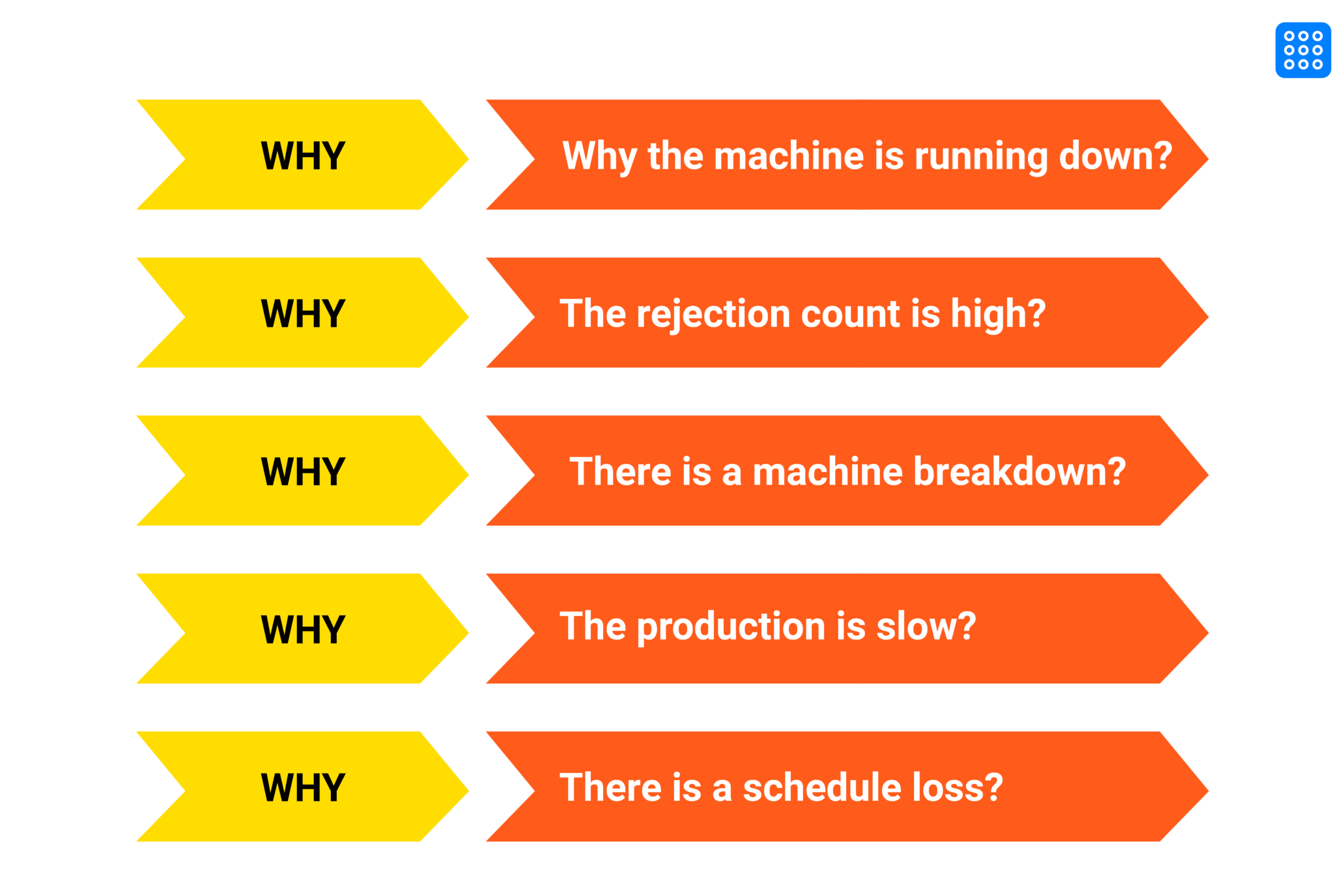
5 Why Analysis For Production Monitoring | Fogwing
Why-Why-Why Diagram – Das Ishikawa-Diagramm Und Die 5 Why-Methode – YSHTE

Why-Why-Why Diagram – Das Ishikawa-Diagramm und die 5 Why-Methode – YSHTE