The University of Georgia's (UGA) academic calendar plays a pivotal role in shaping the educational experience of its students. The calendar's structure and timing significantly impact student outcomes, from academic performance to graduation rates. In this article, we will delve into the importance of UGA's academic calendar and its implications for student success.
Why Timing Matters
UGA's academic calendar is designed to cater to the diverse needs of its students. A well-planned calendar ensures that courses are offered at optimal times, allowing students to balance academic responsibilities with other commitments. A study found that students who take fewer credits per semester tend to perform better academically, indicating that the calendar's timing can directly influence student success.
- Better course offerings**: A diverse range of courses is essential for students to explore their interests and academic strengths
- Optimal workload**: Balancing academic responsibilities with other commitments, such as work or extracurricular activities, is crucial for student success
- Graduation rates**: A well-planned calendar can help students complete their degrees on time, ensuring timely graduation and improved job prospects
Understanding UGA's Academic Calendars
 Analyzing the Calendar's Impact
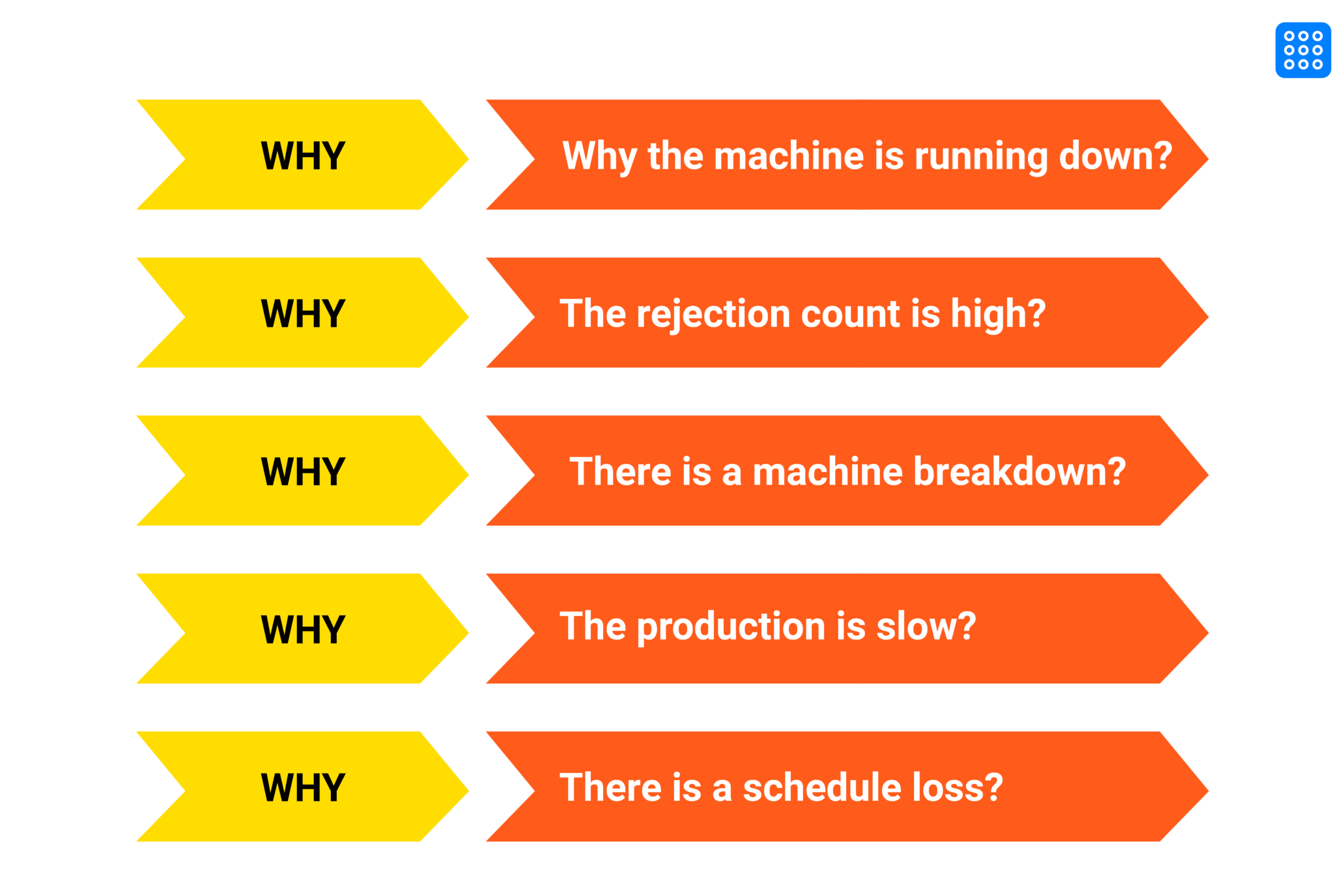
Analyzing the Calendar's ImpactUsing tools like the 5-Why Analysis can help students identify the underlying reasons behind their academic performance. By examining the causes and effects of a particular situation, students can gain valuable insights into the factors influencing their success. This approach enables students to make informed decisions about their academic paths and develop essential problem-solving skills.
Another crucial aspect of UGA's academic calendar is its flexibility and adaptability. The university offers various scheduling options, allowing students to choose a pace that suits their learning style and goals. This flexibility is particularly beneficial for non-traditional students or those with family or work commitments.
Implications and Future Directions
The UGA academic calendar has far-reaching implications for student success, from academic performance to graduation rates. As the university continues to evolve and adapt to changing student needs, it is essential to prioritize flexibility, diversity, and optimal workload management. By doing so, UGA can create an environment that fosters student success and prepares students for future challenges.
As students navigate the complexities of higher education, understanding the importance of the academic calendar is crucial. By exploring the calendar's impact and implications, students can make informed decisions about their academic paths and develop essential skills for success. As UGA continues to refine its academic calendar, it is essential to prioritize student-centered approaches and leverage technology to enhance the educational experience.
Conclusion
UGA's academic calendar plays a vital role in shaping the educational experience of its students. By examining the calendar's structure, timing, and impact, students can gain valuable insights into the factors influencing their success. As the university continues to evolve and adapt to changing student needs, prioritizing flexibility, diversity, and optimal workload management is essential. By doing so, UGA can create an environment that fosters student success and prepares students for future challenges.
80,025 Why Royalty-Free Images, Stock Photos & Pictures | Shutterstock

80,025 Why Royalty-Free Images, Stock Photos & Pictures | Shutterstock
Why Do Gamers Have Multiple Monitors - BEST GAME CONSOLE

Why Do Gamers Have Multiple Monitors - BEST GAME CONSOLE
Why-Why-Why Diagram – Das Ishikawa-Diagramm Und Die 5 Why-Methode – YSHTE

Why-Why-Why Diagram – Das Ishikawa-Diagramm und die 5 Why-Methode – YSHTE
Why You Should Start With Why

Why you should start with why