Homeostasis, a delicate balance between opposing forces, is the essence of life. Just like a well-maintained railroad track, where trains can run smoothly and efficiently, the human body requires a precise balance of parameters to function optimally. In this article, we'll delve into the normal homeostasis parameters and explore what it takes to maintain a healthy equilibrium.
Understanding Homeostasis Parameters
Homeostasis is regulated by a complex interplay of physiological processes that maintain a stable internal environment despite changes in external conditions. The parameters that define homeostasis include body temperature, blood pH, blood glucose levels, blood pressure, and more. Think of it like a railroad track, where trains run smoothly when the track is level, secure, and well-maintained.
The Importance of Normal Homeostasis Parameters
Deviation from normal homeostasis parameters can lead to disruptions in physiological processes, resulting in various health issues. For instance, a slight increase in blood glucose levels can be a sign of prediabetes, while a drastic drop in body temperature can indicate hypothermia. By maintaining a balance within the normal range, individuals can reduce their risk of developing chronic diseases.Maintaining Normal Homeostasis Parameters
Maintaining a healthy equilibrium requires a holistic approach, incorporating lifestyle modifications, dietary changes, and adequate exercise. A balanced diet rich in whole foods, fruits, and vegetables provides essential nutrients for optimal physiological functioning. Regular physical activity helps regulate blood sugar levels, blood pressure, and body temperature. Adequate sleep, stress management, and hydration are also crucial for preserving homeostasis.The Role of Healthcare in Maintaining Homeostasis
Regular health check-ups are essential for monitoring homeostasis parameters and addressing any deviations early on. Healthcare professionals can provide personalized recommendations for managing homeostasis, including medication, lifestyle modifications, and educational programs. By working together with healthcare providers, individuals can take proactive steps towards maintaining a healthy equilibrium.Conclusion
In conclusion, homeostasis is a delicate balance between opposing forces that defines life. By understanding normal homeostasis parameters and adopting a holistic approach to maintaining them, individuals can reduce their risk of chronic diseases and preserve their overall health and well-being. Stay on track and keep your body in balance with a healthy equilibrium!What Are The Components Of Normal Distribution At Johnny Yarbrough Blog

What Are The Components Of Normal Distribution at Johnny Yarbrough blog
Normal Distribution | Examples, Formulas, & Uses
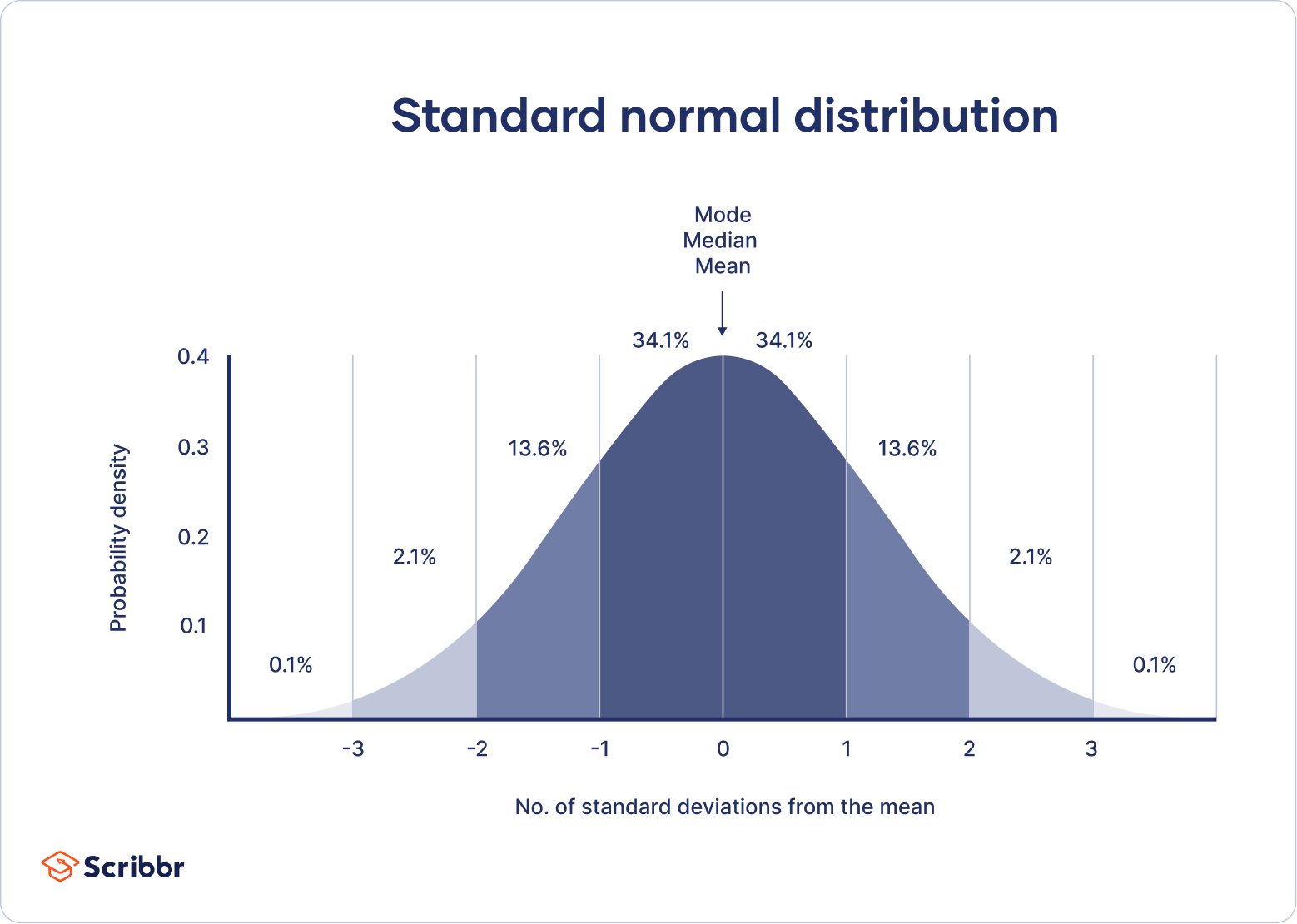
Normal Distribution | Examples, Formulas, & Uses
Normal Distribution In NumPy - GeeksforGeeks
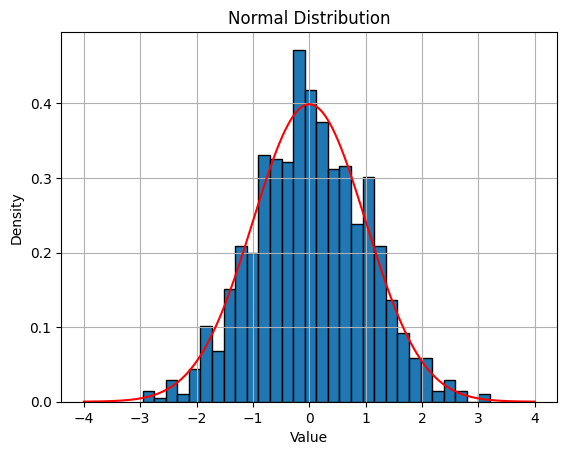
Normal Distribution in NumPy - GeeksforGeeks
Normal Distribution Curve Explained – LVQHB
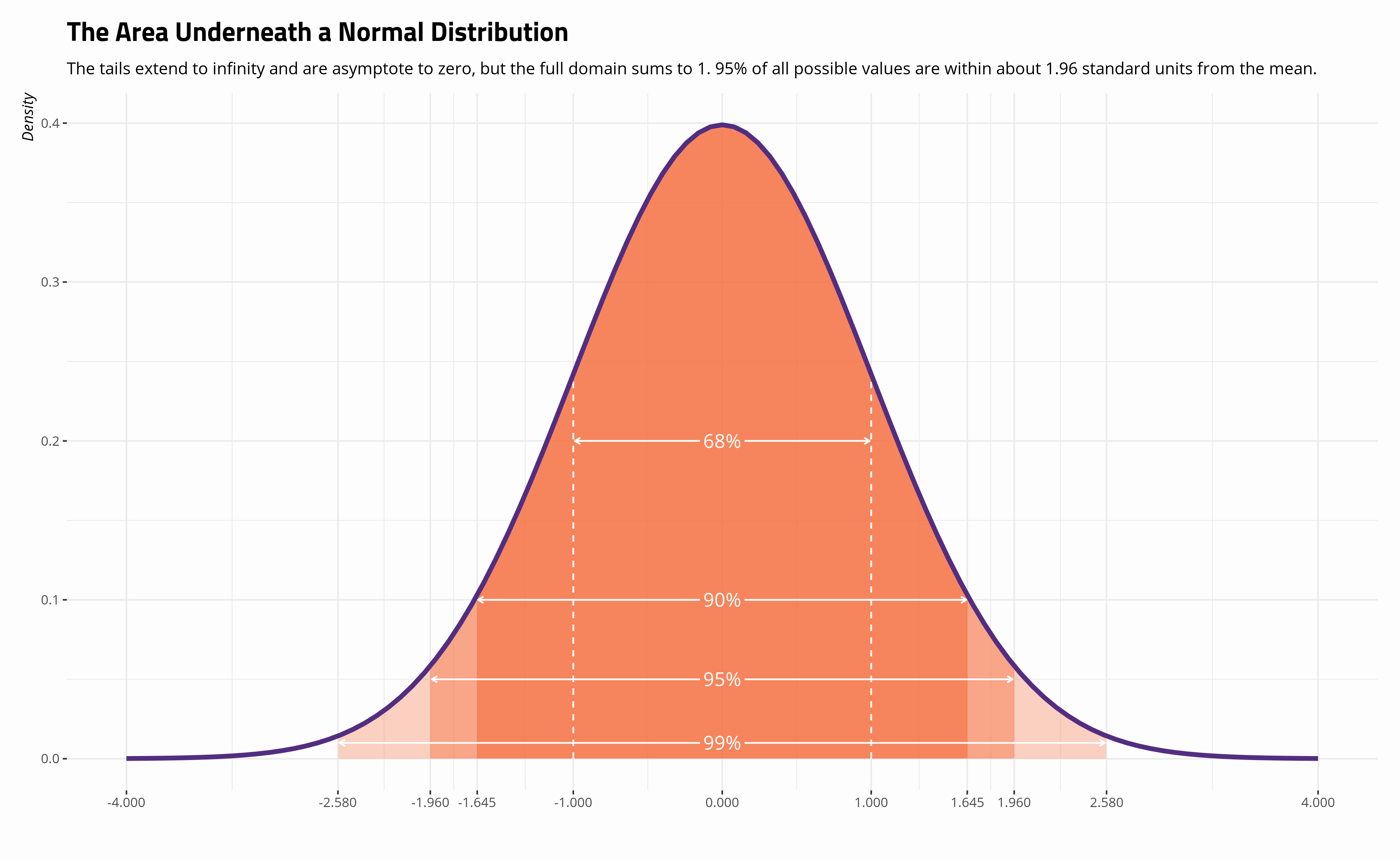
Normal Distribution Curve Explained – LVQHB
What Is The Normal Direction Of Trains On Any Track | The Tube

What Is The Normal Direction Of Trains On Any Track | The Tube