Understanding the Basics
Astrology has been around for thousands of years and is a vast subject with many branches, including natal astrology (examining an individual's birth chart), synastry (analyzing relationships), and transits (examining planetary movements in relation to human events). Before diving in, it's essential to understand that astrology is not science, but rather a system of knowledge that's been passed down through generations. The zodiac, which is the basis of astrology, is divided into 12 sections, representing different characters or signs. Each sign is associated with specific traits, personalities, and characteristics.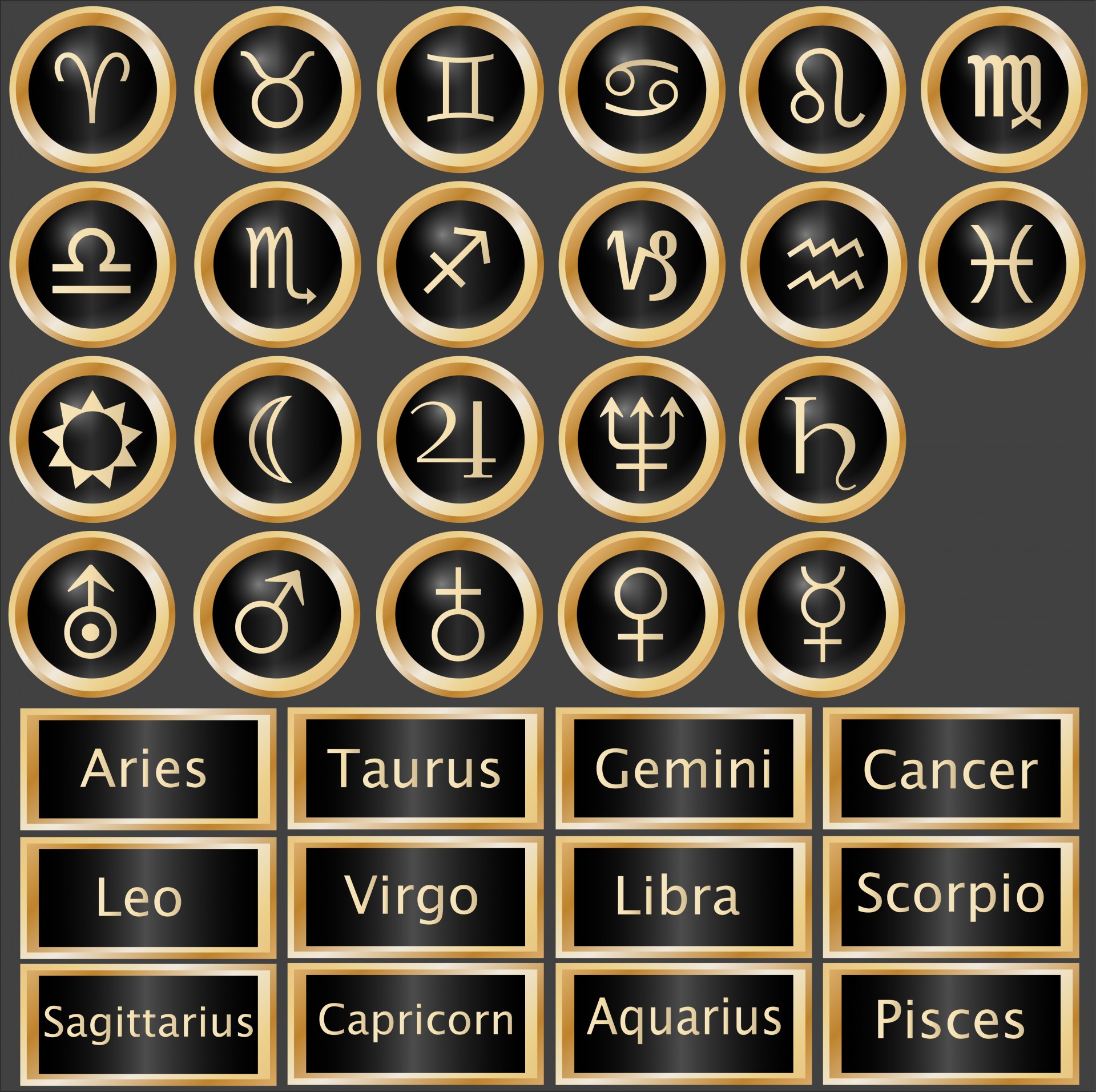 To get a better understanding of the zodiac, it's helpful to familiarize yourself with the different planets and their positions in relation to the stars. The Sun, Moon, Mercury, Venus, Mars, Jupiter, Saturn, Uranus, Neptune, and Pluto are all key planets and celestial bodies that are studied in astrology.
The Difference Between Astrology and Astronomy
Astronomy, on the other hand, is the scientific study of celestial objects, space, and the universe as a whole. While both subjects focus on celestial bodies, they are distinct areas of study. Astronomers use scientific methods and equipment to observe and analyze celestial phenomena, whereas astrologers interpret the positions and movements of celestial bodies in relation to human affairs.The Rise of Astrology in Modern Times
Astrology has experienced a resurgence in popularity in recent years, with many people incorporating it into their daily lives. This may be due to the increasing desire for self-awareness, spiritual growth, and personal development. Astrology can be a useful tool for gaining insight into one's personality, strengths, and weaknesses. However, it's essential to remember that astrology is not a substitute for science or fact-based knowledge.Separating Fact from Fiction
To separate fact from fiction, it's crucial to approach astrology with a critical and nuanced perspective. Be cautious of websites and individuals that make unsubstantiated claims or promises about astrology. A reputable source will provide accurate information and encourage readers to think critically about the subject. When evaluating astrology-related information, consider the following factors: * Authority: Is the information coming from a credible source? * Evidence: Are there scientific studies or empirical evidence to support the claims? * Logic: Does the information make sense, or are there inconsistencies? * Red flags: Are there warning signs, such as unsubstantiated claims or promises of guaranteed success? By approaching astrology with a critical and open-minded perspective, you can navigate the world of Astrology Chart Cafe 101 and gain a deeper understanding of this ancient subject.Astrology - Wikiquote
Astrology - Wikiquote
Ophiuchus (astrology) - Wikipedia

Ophiuchus (astrology) - Wikipedia
MINILLIÇONS DE LECTURA : Taller De Lectura.L 'horòscop. Text Predictiu

MINILLIÇONS DE LECTURA : Taller de lectura.L 'horòscop. Text predictiu
Zodiac Wheel Astrology Signs Free Stock Photo - Public Domain Pictures

Zodiac Wheel Astrology Signs Free Stock Photo - Public Domain Pictures