Online communication has become an integral part of our daily lives, but it's not uncommon to misinterpret messages or misunderstand the intent behind them. A single misplaced emoji or a misread sentence can lead to confusion, offense, or even damaged relationships. In this article, we'll explore common mistakes and smarter alternatives to master the art of online texting.
Common Pitfalls in Online Texting
When communicating online, we often rely on written words without the nuances of tone and context. As a result, misunderstandings can arise. A study by EnglishLessonViaSkype highlights the importance of clarifying intent and avoiding misinterpretations in online communication. For instance, the phrase "no offense" is often used to soften the tone of a message, but it can still come across as dismissive or insensitive.
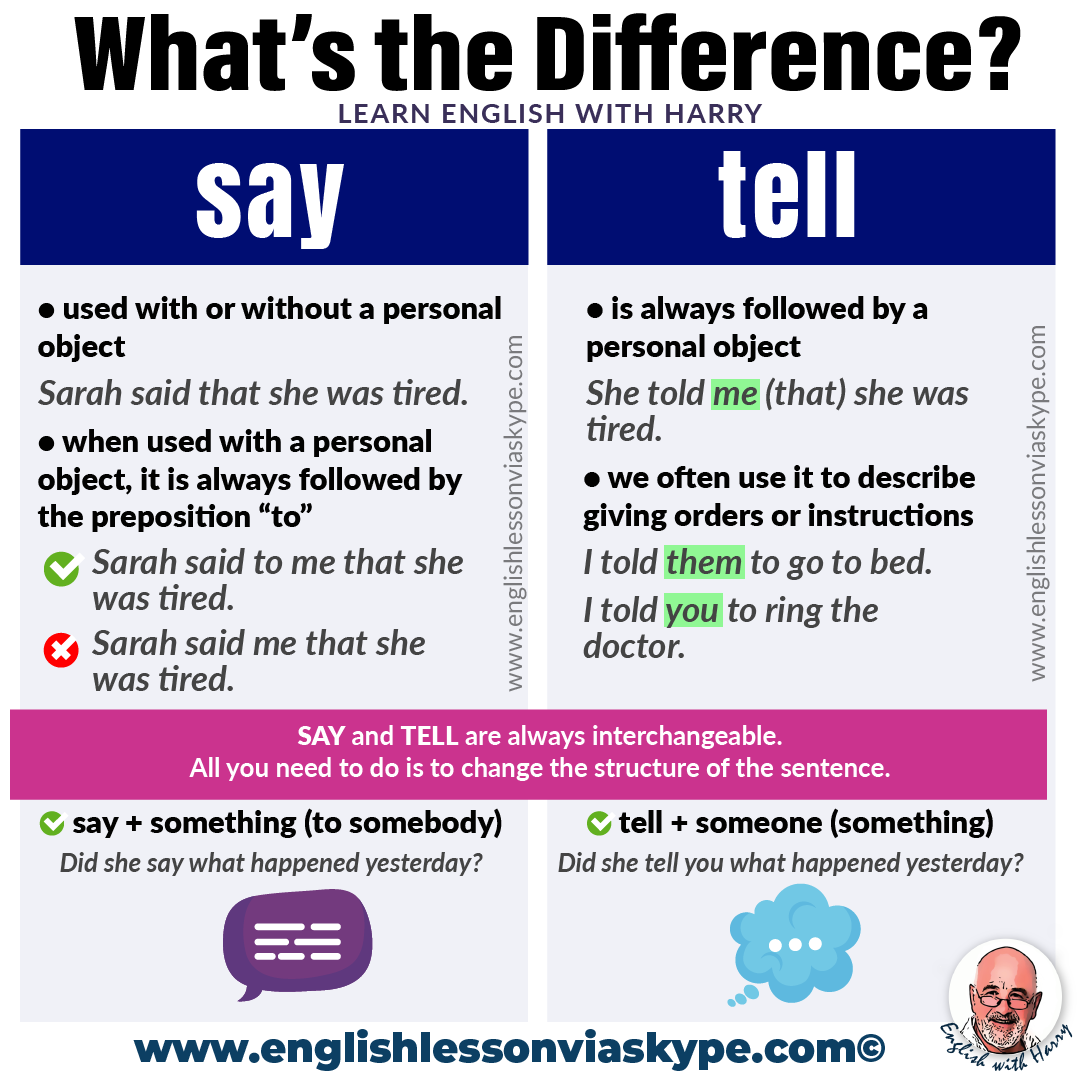
Smarter Alternatives to Misunderstandings
Avoiding misunderstandings requires a combination of clear language, attention to tone, and cultural awareness. One effective approach is to use phrases that convey empathy and understanding, such as "I think I misunderstood" or "Can you clarify your point?" By acknowledging the possibility of misinterpretation, you create a safe space for open communication.
The Art of Asking Questions
Asking questions is an essential skill in online communication. Instead of assuming you know the context or intent, ask for clarification to avoid misunderstandings. A simple "What do you mean by..." or "Can you elaborate on..." can help ensure you're on the same page as the other person.
Best Practices for Online Communication
To master the art of online texting, follow these best practices:
- Use clear and concise language: Avoid ambiguous words and phrases that can lead to misinterpretation.
- Punctuate your messages: Use proper punctuation, emojis, and capitalization to convey tone and intent.
- Ask questions: Clarify your understanding and avoid assumptions to prevent misunderstandings.
- Be mindful of cultural differences: Be sensitive to cultural norms and avoid using language or tone that may be perceived as offensive.
Conclusion
Mastering the art of online texting requires attention to detail, clear communication, and a willingness to ask questions. By being mindful of common pitfalls and adopting smarter alternatives, you can minimize the risk of misunderstandings and improve your online relationships. Remember, online communication is a two-way street – be thoughtful in your message, and you're more likely to get the response you want.
Additional Resources
For more tips and strategies on online communication, explore the following resources:
* Visit EnglishLessonViaSkype for a comprehensive guide to online etiquette and effective communication.
Say Please T-Shirt – Better Lovers

Say Please T-Shirt – Better Lovers
100 Different Ways To Say 'Very Good' In English • 7ESL
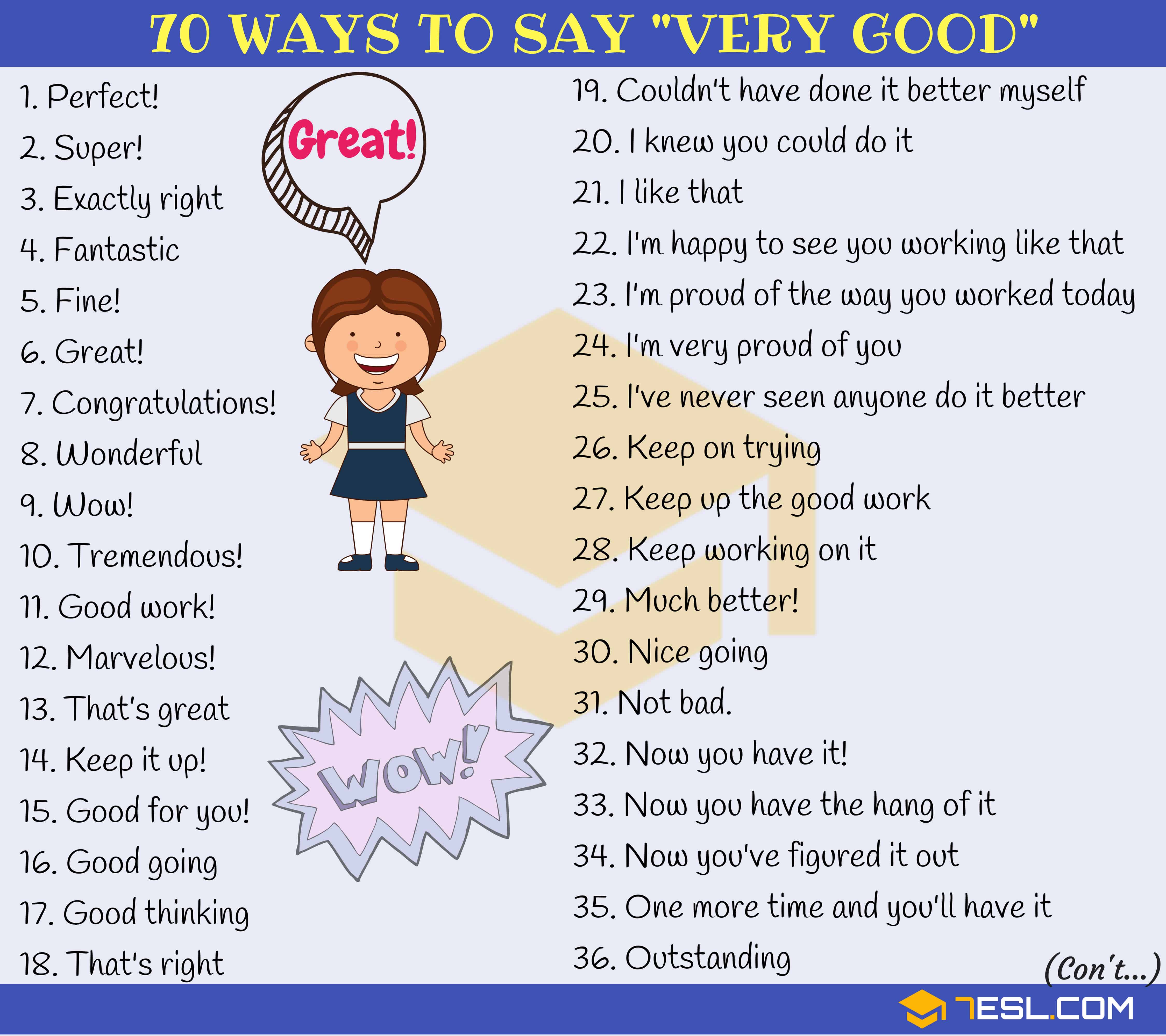
100 Different Ways to Say 'Very Good' in English • 7ESL
Say Please And Thank You Clipart
Say Please And Thank You Clipart
How To Say Happy In English • Spoken English Lesson
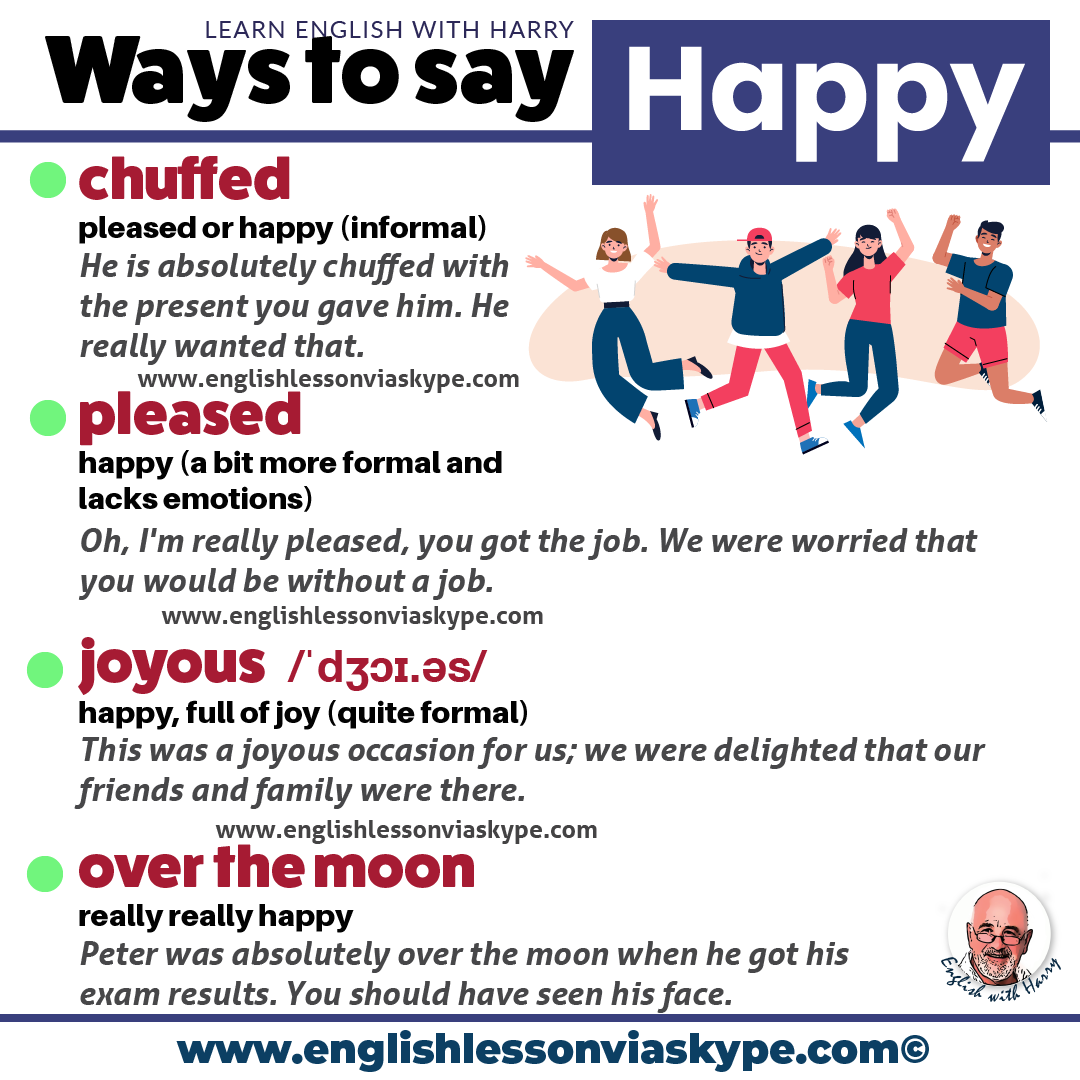
How To Say Happy In English • Spoken English lesson