In today’s creative economy, Leverage Your Creativity with Dora Licensing and Merchandising offers a clear pathway for artists and brands to transform original concepts into revenue‑generating products, a strategy already validated by high‑profile collaborations seen in the visual examples below.
Context
The current market shows a surge in licensed merchandise, driven by audiences seeking tangible extensions of beloved narratives. Recent data indicates that licensing deals have grown by double‑digit percentages year over year, making it an attractive avenue for creators looking to diversify income streams.
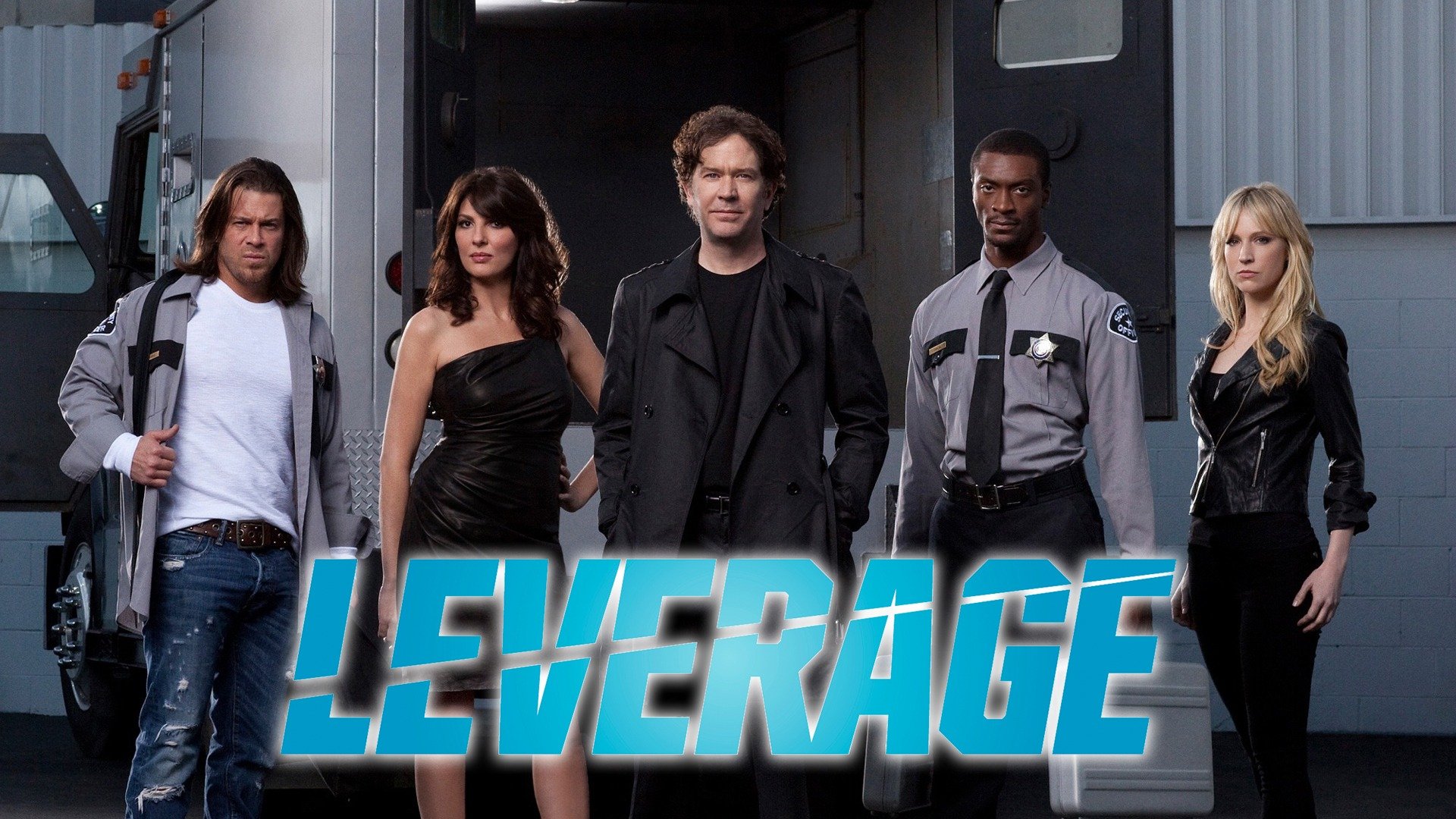
Details
Licensing through Dora involves granting permission to reproduce, adapt, or sell a property across various product categories, from apparel to home goods. The process typically includes a royalty agreement that aligns the licensor’s earnings with market performance, ensuring both parties benefit from sustained sales.
Practical steps for creators include documenting intellectual property, identifying target product categories, and negotiating terms that protect creative integrity while allowing sufficient commercial reach. The visual reference to Leverage Season 4 underscores how a well‑timed series launch can amplify licensing opportunities, as the heightened visibility translates into stronger brand recognition for associated merchandise.

Implications
For problem‑solving visitors, the model presents a low‑risk entry point: start with a limited‑edition product line, monitor consumer response, and scale up based on demand. This approach reduces upfront investment while leveraging existing fan bases.
From a broader perspective, successful licensing can reinforce the original work’s relevance, creating a feedback loop where merchandise sales fund further creative projects, and new content fuels additional product ideas. The strategic alignment of content release calendars with product rollouts, as demonstrated by the timing of Leverage Season 4, exemplifies how coordinated planning maximizes impact.
The convergence of creative storytelling and commercial licensing thus becomes a catalyst for sustainable growth, offering creators a viable roadmap to monetize imagination without compromising artistic vision.
Strategic Considerations
Creators should begin by conducting a thorough audit of their intellectual property to confirm ownership and identify any existing licensing restrictions. Clear documentation of usage rights, territorial limits, and royalty structures prevents misunderstandings later in the partnership. Engaging a legal advisor early can streamline the agreement and ensure compliance with industry standards.
Market Outlook
Industry analysts project that licensed merchandise will continue to outpace general retail growth, driven by digital platforms that simplify distribution and enable micro‑fulfillment of niche audiences. As streaming services expand their content libraries, the synergy between on‑screen storytelling and off‑screen product lines is expected to intensify, offering creators more avenues to monetize their work while maintaining brand authenticity.
For creators evaluating options, the key is to align licensing terms with long‑term brand goals, ensuring that each product release reinforces the narrative that inspired it and sustains audience interest over time.
Sophie Is Wrong In Leverage: Redemption - The Team's Best Mastermind Is
Sophie Is Wrong In Leverage: Redemption - The Team's Best Mastermind Is ...
What Is Financial Leverage

What is Financial Leverage
What Is Financial Leverage, And Why Is It Important?
:max_bytes(150000):strip_icc()/What_Is_Financial_Leverage-2e972f832d4749c9aa5302353cdec52f.jpg)
What Is Financial Leverage, and Why Is It Important?